Data Center Transformer: Types, Standards and How to Specify One
A data center transformer steps utility medium-voltage power down to the voltages your servers, cooling, and support systems run on — and a facility needs several, not one. Pick the wrong type and you pay in losses, heat, and cost for the build’s life.
How a Data Center’s Power Chain Uses Transformers
If you are planning a new build, an expansion, or a retrofit, knowing where each transformer sits and what job it does will keep you from oversizing, undersizing, or choosing a cooling method your site cannot support. The power chain below, the transformer types that follow, and the characteristics after them are what matter most for a continuous, high-density electrical load.
Electricity enters most large data centers as medium voltage — commonly 13.8 kV, 24.9 kV, or 34.5 kV in the United States — because moving power at higher voltage and lower current keeps conductor losses down over the distance from the utility substation. Your equipment, though, runs at low voltage. Transformers bridge that gap in stages.
The first stage is a main or substation transformer that takes the incoming medium voltage and steps it down to a primary distribution voltage, often 480 V three-phase in North America. From there, power flows through switchgear and your uninterruptible power supply (UPS) systems. Closer to the load, a second stage — typically a dry-type transformer inside a power distribution unit (PDU) — converts 480 V down to 415 V or 208/120 V for the servers and network gear. Each stage is a point where you choose a transformer type, a rating, and a cooling method.
Because a data center load runs continuously and tolerates very little downtime, the transformers in this chain are usually duplicated for redundancy and sized with headroom for growth. That changes how you specify them compared with a transformer serving an intermittent industrial load.
Types of Data Center Transformers
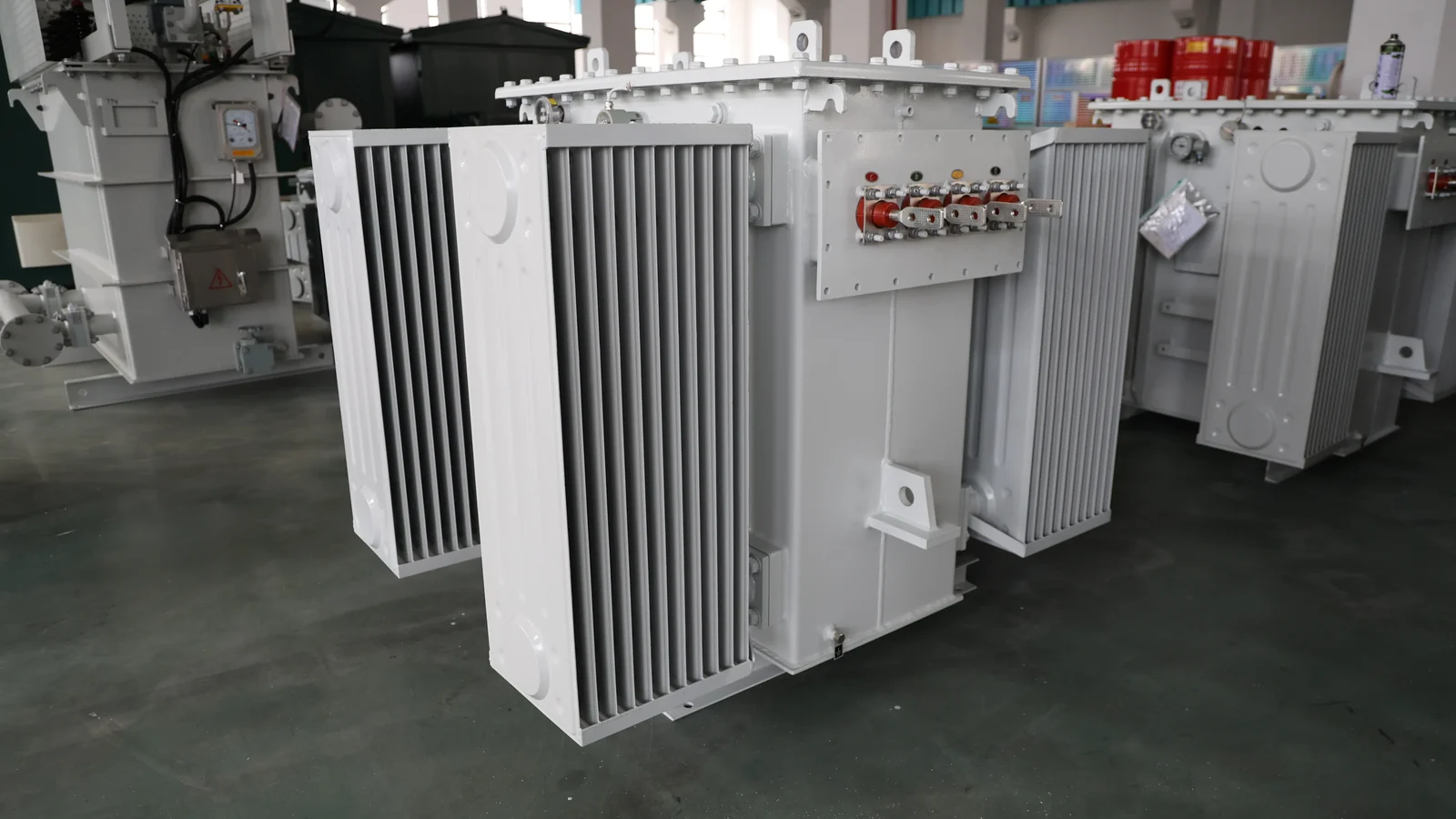
No single transformer covers every stage. The four types below handle different voltages, locations, and load characteristics, and most facilities use a combination of them.
Medium-voltage substation and power transformers
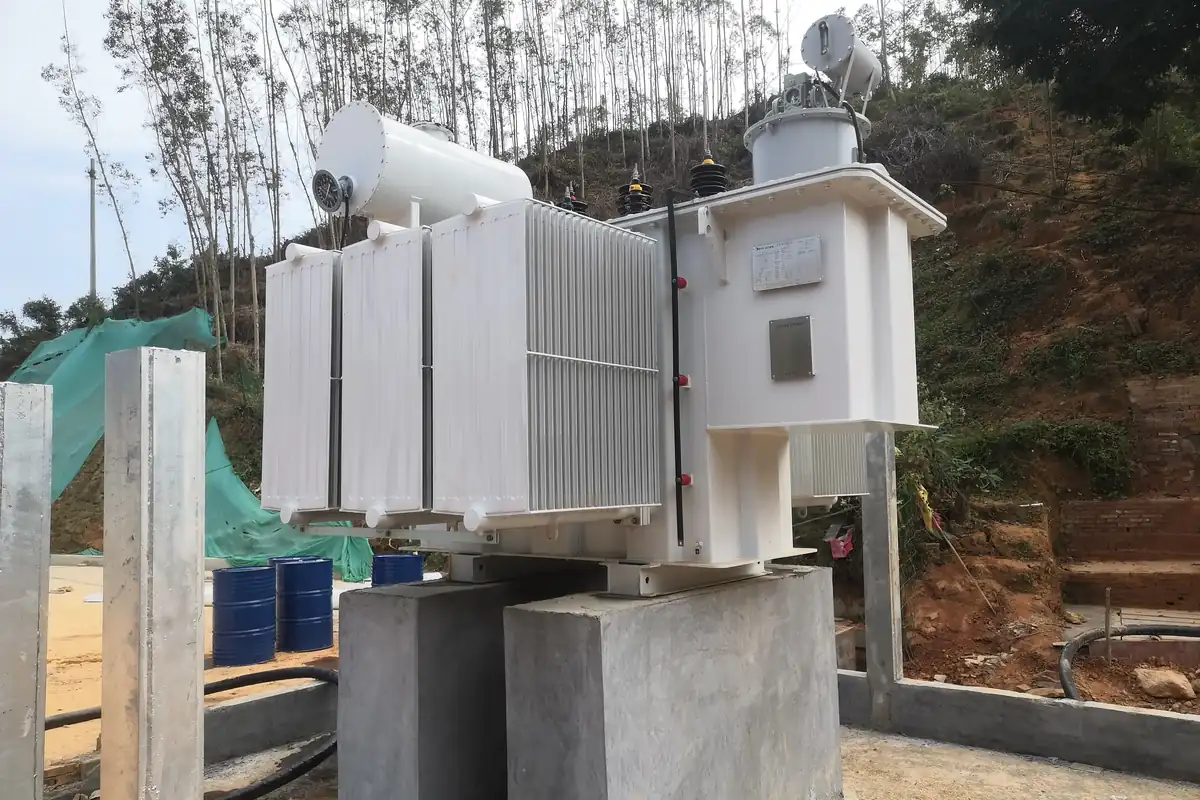
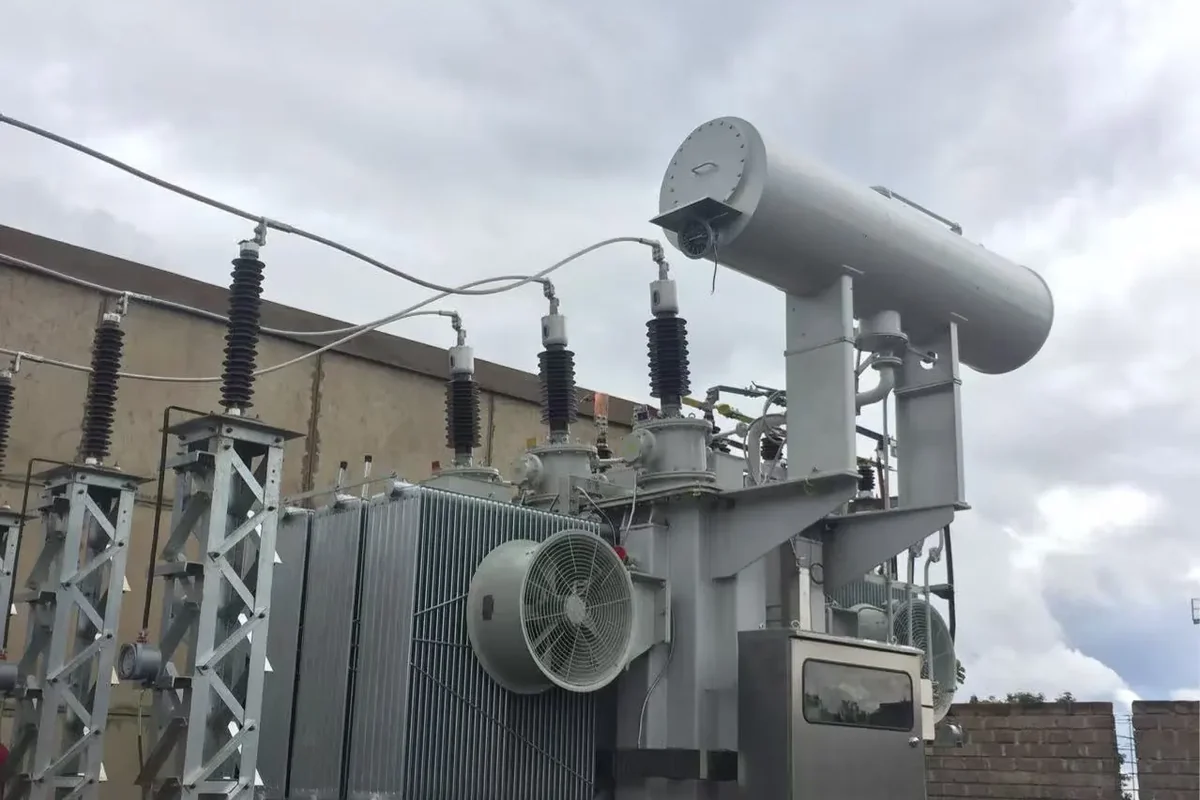
These sit at the front of the facility and handle the first step-down from the utility feed. A power transformer or substation-type unit in this role is rated from a few MVA up into the tens of MVA for a hyperscale campus. For a deeper explanation of how this class of unit is built and rated, the guide to what a power transformer is covers the fundamentals. For data centers, the priorities at this stage are efficiency, reliable overload behavior during utility events, and a design that fits your redundancy scheme.
Pad-mounted transformers
On a campus with outdoor distribution, a pad-mounted transformer delivers medium-voltage power to individual buildings or power modules. The tamper-resistant, dead-front enclosure lets you place these units at grade near the buildings they serve without a fenced substation yard. They are a common choice where several data halls or support buildings each need their own medium-voltage drop.
Dry-type distribution transformers
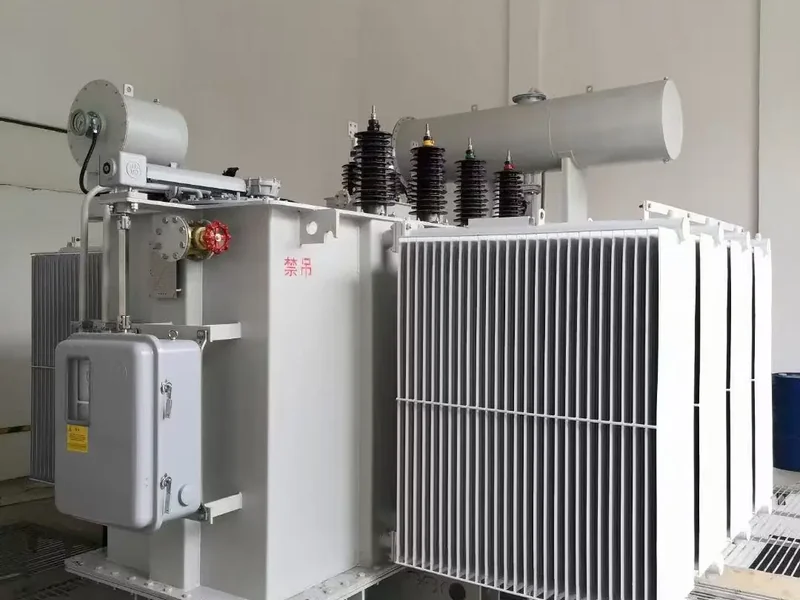
Inside the building — in electrical rooms, PDUs, and on the data hall floor — dry-type transformers do the final step-down to utilization voltage. You will see them specified far more often than liquid-filled units indoors because they contain no insulating oil, which simplifies fire protection, removes the need for containment, and eases placement near occupied and equipment spaces. Their trade-off is slightly higher losses and a larger footprint at the same rating, so you balance those factors against the siting advantage.
K-rated and isolation transformers
Servers, UPS systems, and switch-mode power supplies are nonlinear loads that draw current in pulses and inject harmonic currents back into the system. Those harmonics heat an ordinary transformer beyond its nameplate rating. A K-rated transformer is a dry-type unit built with extra thermal margin and design features to carry that harmonic content without overheating. An isolation transformer at the PDU also provides a separately derived source and a clean ground reference for sensitive electronics. If your facility serves high-density IT racks, these characteristics are often more important to you than raw efficiency numbers.
What Makes a Transformer Suitable for a Data Center
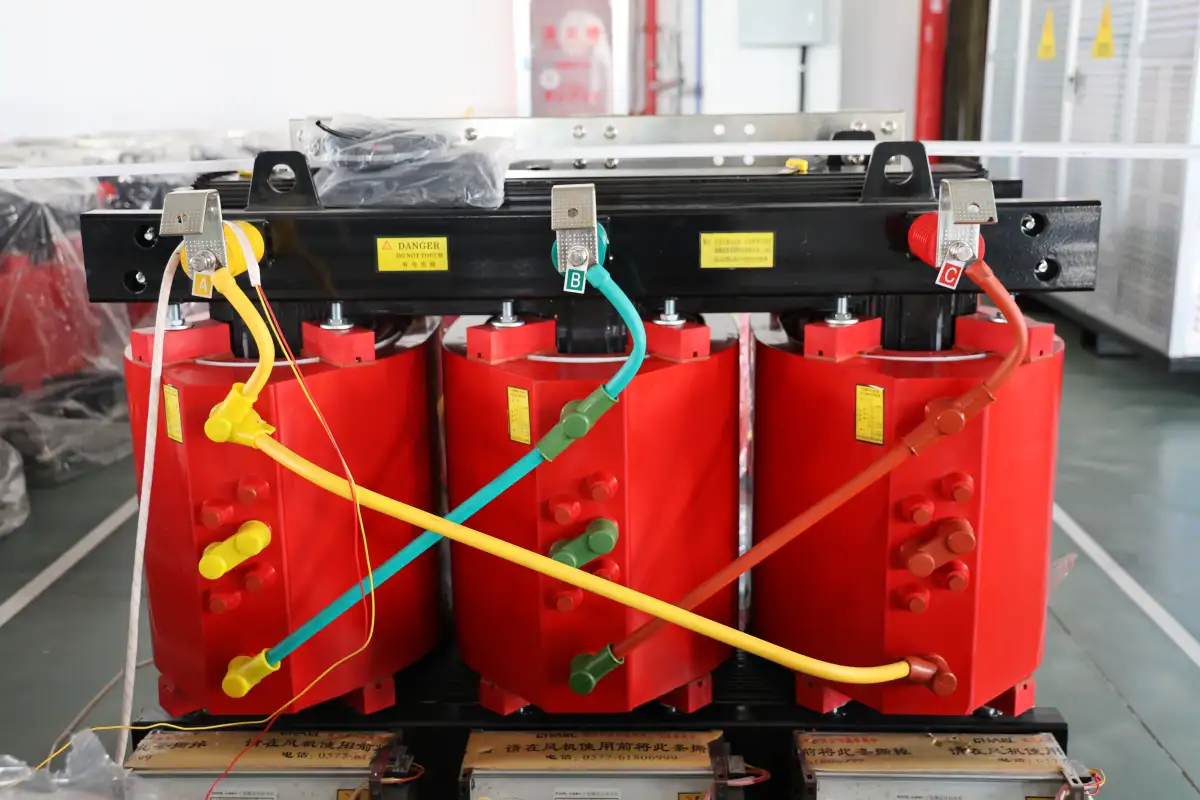
A data center transformer is judged on more than its rating. The same product line that works for a general commercial building may be the wrong specification for a continuous data center load. These are the factors you should weigh.
Efficiency and losses
Because your facility runs around the clock, transformer losses are paid for every hour of every year, and the heat they produce adds to the cooling load that drives your power usage effectiveness (PUE). A small percentage-point difference in efficiency compounds into a meaningful operating cost over a transformer’s service life, so load-loss and no-load-loss figures deserve real attention when you write the specification. In the United States, distribution transformers are also subject to federal energy-efficiency rules, which shapes what is available on the market.
Harmonic and K-factor handling
If your transformer feeds IT loads directly, confirm that it is rated for the harmonic profile those loads create. Specifying a standard transformer where a K-rated unit belongs is a common cause of premature overheating and derating.
Redundancy and reliability
Data centers are designed to tiered availability targets, and the power path is duplicated accordingly — N+1 or 2N arrangements are typical. That affects not only how many transformers you buy but how you rate each one, because a unit in a 2N scheme may have to carry the full load alone when its partner is offline. Plan transformer ratings around the failure scenario your design must survive, not just the normal operating load.
Cooling method and siting
Your choice between dry-type and liquid-immersed units is driven largely by where the transformer goes. Indoors and near occupied space, dry-type is the usual answer. Outdoors, or where you want the efficiency and overload capacity of a liquid-filled unit, a pad-mounted or substation transformer makes sense. Decide the location first, and the cooling method usually follows.
Standards and Testing That Apply
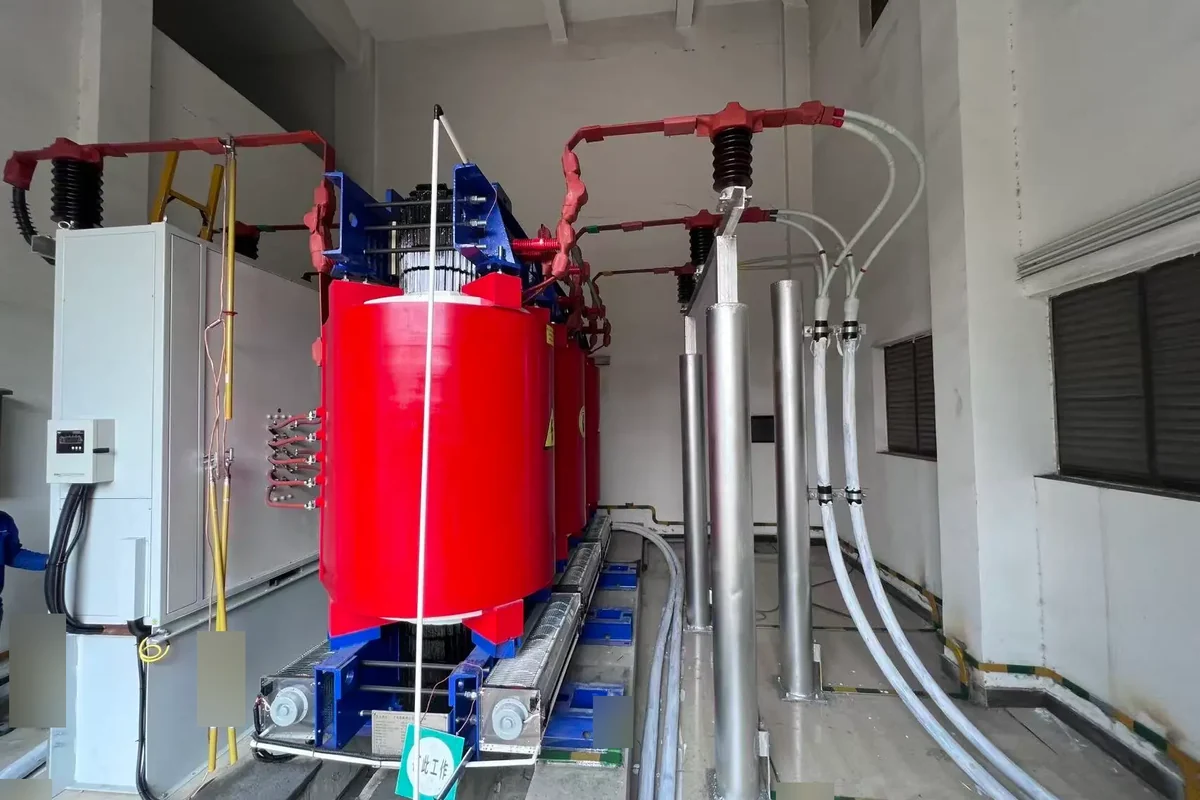
Every data center transformer sold into the U.S. is built to the standards below. Transformers supplied for U.S. data center projects are built and tested to ANSI/IEEE standards — principally IEEE C57.12.00 for general requirements and IEEE C57.12.90 for test procedures. When you request documentation, you should expect routine and type-test reports referenced to those standards, provided per project.
YGT’s liquid-immersed units are covered by UL File E529552 (CCN XPLH), for three-phase liquid-immersed pad-mounted transformers from 45–5000 kVA at 26–36 kV primary. The certification route for any given project is arranged per project and written into the quotation before production starts, so you know in advance which marks and reports accompany your order. If you are comparing vendors, this overview of the power transformer manufacturers serving the U.S. market may help you frame that evaluation.
Mapping the Types to Your Project
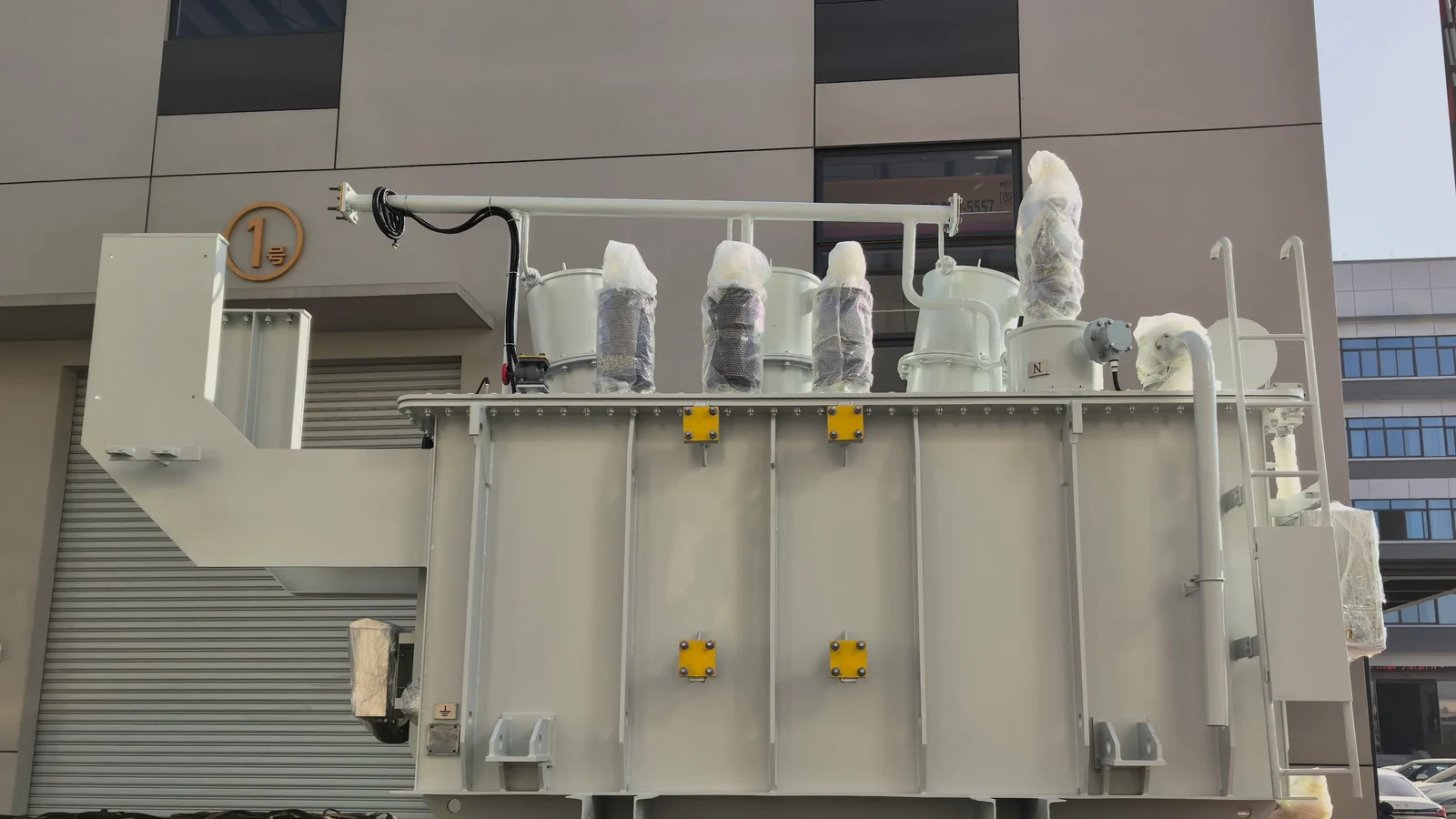
Choosing a data center transformer is a sequence of decisions, not one. In practice, you specify transformers stage by stage: a medium-voltage substation or pad-mounted unit at the utility interface, and dry-type or K-rated units inside the building for final distribution. Your redundancy tier sets how many of each you need and how hard each one is rated; your siting sets the cooling method; and your load profile sets whether harmonic handling is a priority. Lead time belongs in the plan too — this note on transformer lead times explains how production scheduling affects project timelines, with standard delivery of 5–8 weeks from contract and volume schedules confirmed per project.
Data Center Transformer FAQ
What voltage does a data center transformer step down to?
It depends on the stage. A main or substation transformer typically steps the utility medium-voltage feed (often 13.8 kV to 34.5 kV) down to 480 V three-phase. A second transformer inside a PDU then steps 480 V down to 415 V or 208/120 V for the IT equipment.
Are data center transformers dry-type or oil-filled?
Both are used. Dry-type units are the norm indoors and near occupied spaces because they contain no oil and simplify fire protection. Liquid-immersed pad-mounted or substation transformers are common outdoors at the utility interface, where their efficiency and overload capacity are an advantage.
Why do data centers need K-rated transformers?
Servers and UPS systems are nonlinear loads that inject harmonic currents, which overheat an ordinary transformer. A K-rated transformer is built with extra thermal margin to carry that harmonic content safely when it feeds IT loads directly.
How many transformers does a data center use?
There is no fixed number. A facility uses at least one medium-voltage step-down transformer and multiple distribution transformers, and these are duplicated for redundancy under N+1 or 2N designs, so the total scales with the facility’s size and availability tier.
What standards apply to data center transformers in the U.S.?
They are built and tested to ANSI/IEEE standards, principally IEEE C57.12.00 for general requirements and IEEE C57.12.90 for test procedures, and U.S. distribution transformers are also subject to federal energy-efficiency rules.
Final Thoughts
A data center’s power chain relies on a mix of transformers — medium-voltage units at the utility interface and dry-type or K-rated units for final distribution — each matched to its stage and load. Get the type and rating right at every step and the facility runs cooler and more reliably.
Specify the Right Transformer for Your Facility
If you are scoping the transformers for a new data center or an expansion, send your single-line diagram, voltages, ratings, and redundancy requirements, and we will help you match each stage to the right unit. Tell us about your project to get a specification review and a quotation.
Matching each stage to the right unit is exactly the review YGT Volt runs with you before a quotation.