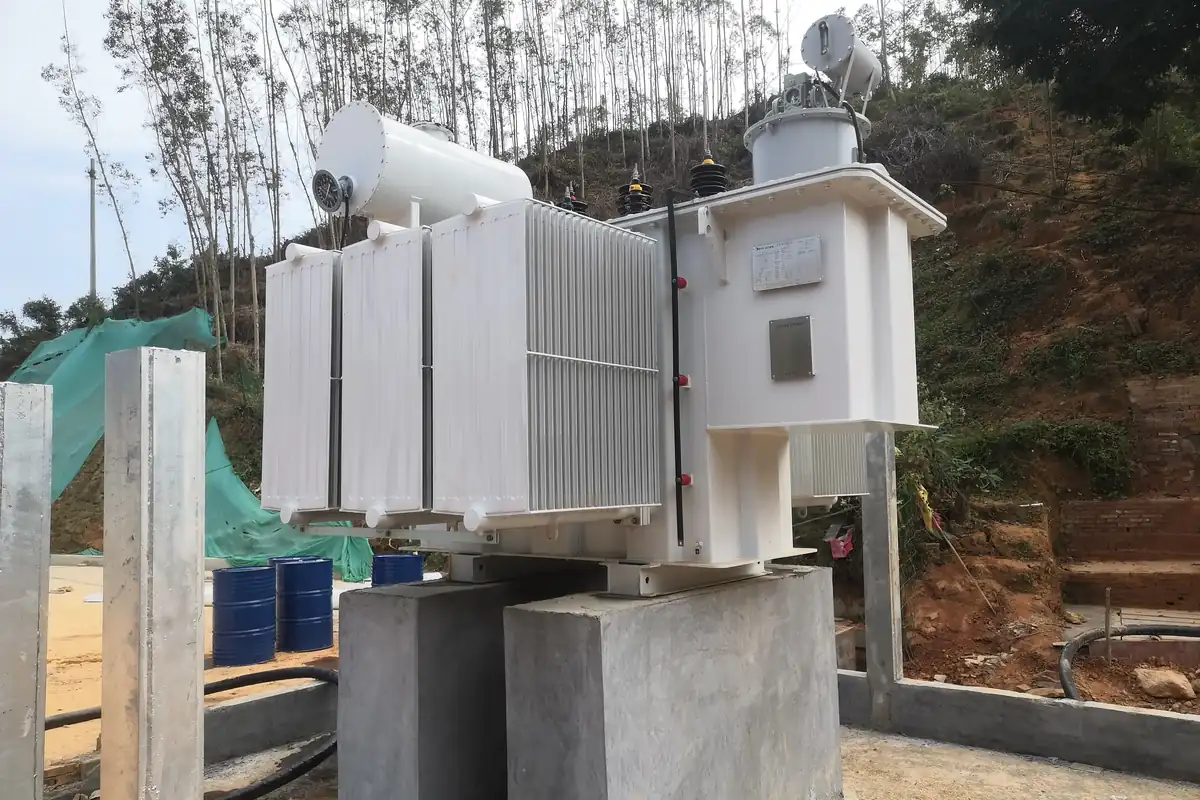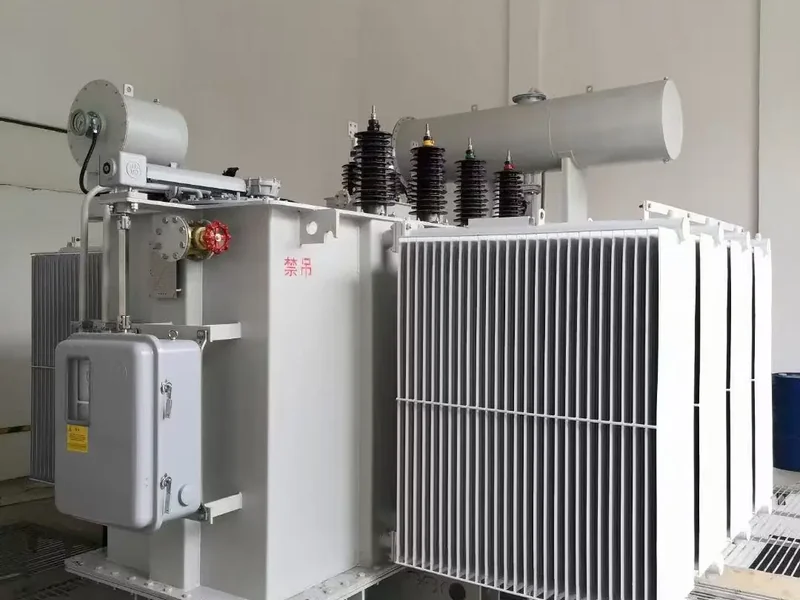
Substation Transformer vs. Power Transformer: What’s the Difference?
Put a “substation transformer” and a “power transformer” on the same spec sheet and you may be describing one machine twice. The name, however, is not what decides your design — the rating and the location are.
What Is a Power Transformer?
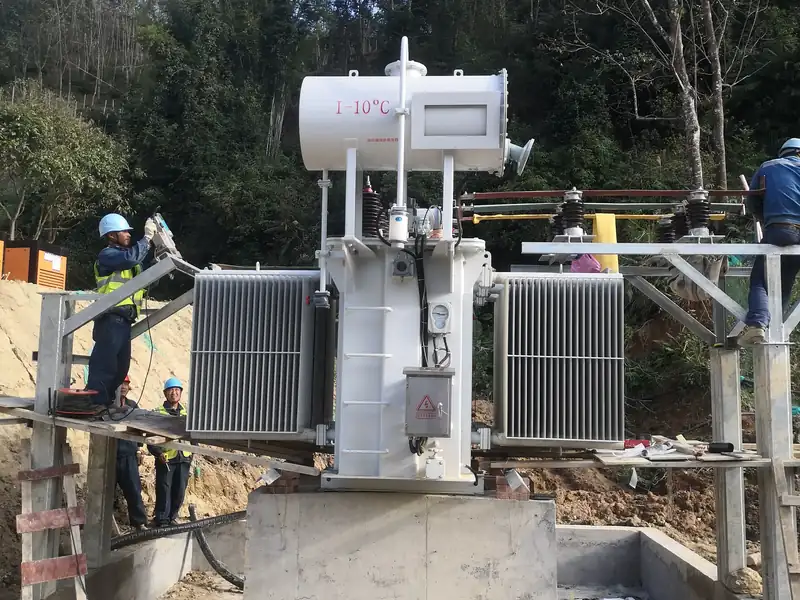
A power transformer is defined by what it does electrically: it steps voltage up or down at the transmission and sub-transmission level, usually above a few MVA, with high efficiency at full load. The label follows the rating and the duty, not the address.
What Is a Substation Transformer?
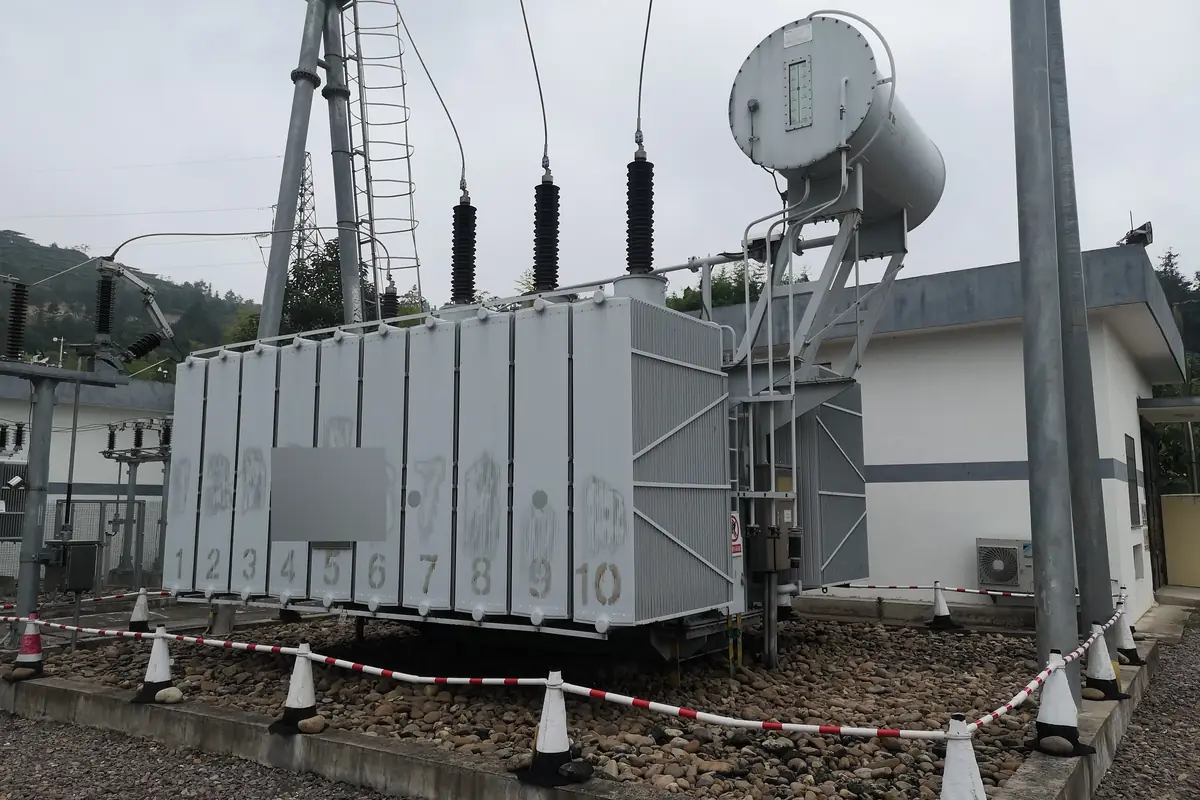
A substation transformer is defined by where it is installed. It is the step-down unit that sits inside a distribution or industrial substation and brings transmission or sub-transmission voltage down to a feeder level your plant or utility can actually use. Many substation transformers are, by rating, power transformers; others are closer to large distribution units. When you see both terms on one datasheet, they are describing the same hardware from two angles.
Key Differences at a Glance
| Attribute | “Power transformer” (by rating & role) | “Substation transformer” (by location) |
|---|---|---|
| What the term describes | The electrical duty and rating | Where the unit is installed |
| Typical rating | Above a few MVA | Hundreds of kVA up to tens of MVA |
| Typical role | Transmission / sub-transmission step up or down | Step down from transmission to feeder voltage |
| Governing standard (U.S.) | ANSI/IEEE C57 series | ANSI/IEEE C57 series |
| Common cooling class | ONAN / ONAF, liquid-immersed | ONAN / ONAF, liquid-immersed |
Where the lines actually blur
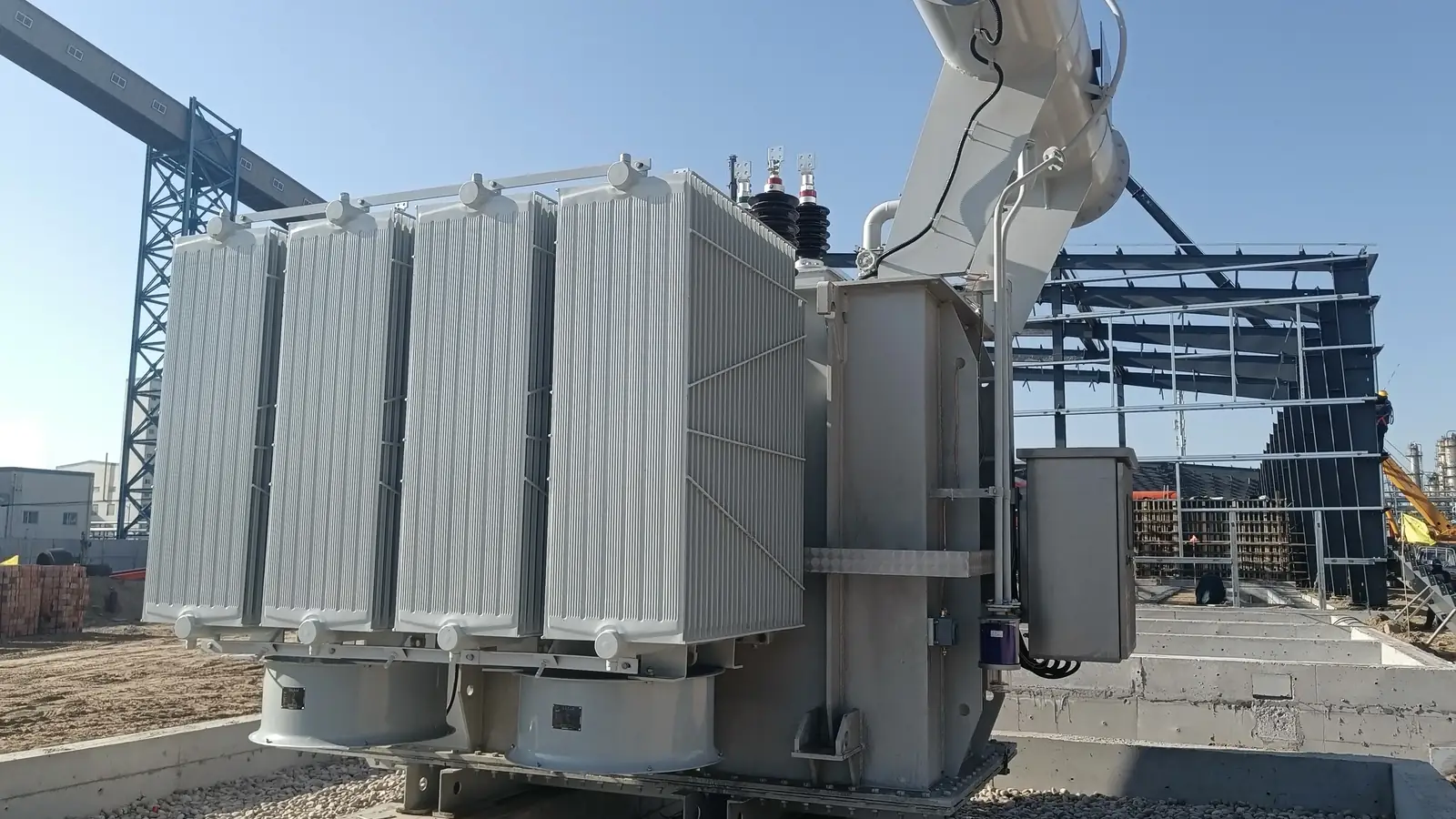
If you are specifying a unit, three attributes settle the question faster than the name ever will. First, the primary and secondary voltage: a 115 kV / 13.8 kV step-down unit is a power transformer sitting at a substation. Second, the MVA rating: once you are above roughly 2.5 MVA, most engineers will call it a power transformer regardless of location. Third, the connection and cooling class: substation units are frequently liquid-immersed with forced-air stages for peak loading.
What this means for you: do not let the term on a line item drive the design. A supplier who quotes a “substation transformer” and a “power transformer” as if they were two product families is telling you more about their catalog than about your project.
How to choose the right unit
Because the names overlap, the safest purchase order pins the electrical spec, not the label. Confirm these four dimensions before you release a unit for manufacture.
Voltage ratio and taps
State the primary kV, the secondary kV, and the tap range your interconnection agreement requires. This single line decides most of the design.
Rating and cooling class
Give the base MVA or kVA plus any forced-air rating you expect to use at peak, so the cooling class is sized for your load profile rather than a round number.
Standards and test scope
For U.S. projects, specify the ANSI/IEEE C57 series and name which routine and type tests you need on the test report. The required tests follow the rating, not the term you used.
Lead time against your energization date
Many U.S. buyers are quoted 40–60 weeks for substation-class units, while overseas-built units can ship in 5–8 weeks from contract, with volume schedules confirmed per project. Check this early — it often drives the schedule more than the design does.
Get those four right and the substation-versus-power debate stops mattering: you have specified the machine, and the name is just paperwork. You can send a one-line diagram and receive a priced power transformer offer mapped to the correct design.
At YGT Volt we supply ANSI/IEEE substation and power transformers to U.S. project buyers.
Frequently Asked Questions
Is a substation transformer always a power transformer?
No. Most are, by rating, but smaller substations may use a unit closer to a large distribution transformer. The deciding factors are the voltage levels and the MVA rating, not the word on the nameplate.
Do substation and power transformers use different standards?
For U.S. projects both are built and tested to the ANSI/IEEE C57 series. The specific routine and type tests you request depend on the rating and the interconnection requirements, not on which term you used to order it.
Which one do I specify for a new industrial plant?
Specify by the electrical duty. Give the manufacturer your incoming transmission voltage, the utilization voltage you need, the MVA, and your energization date. The correct classification falls out of those numbers.
Final Thoughts
The two terms describe one decision from two directions: rating versus location. Pin the voltage ratio, MVA, cooling class, and test scope, and the label becomes irrelevant. At YGT Volt we will map your one-line diagram to the right design and a firm lead time — send us your one-line.