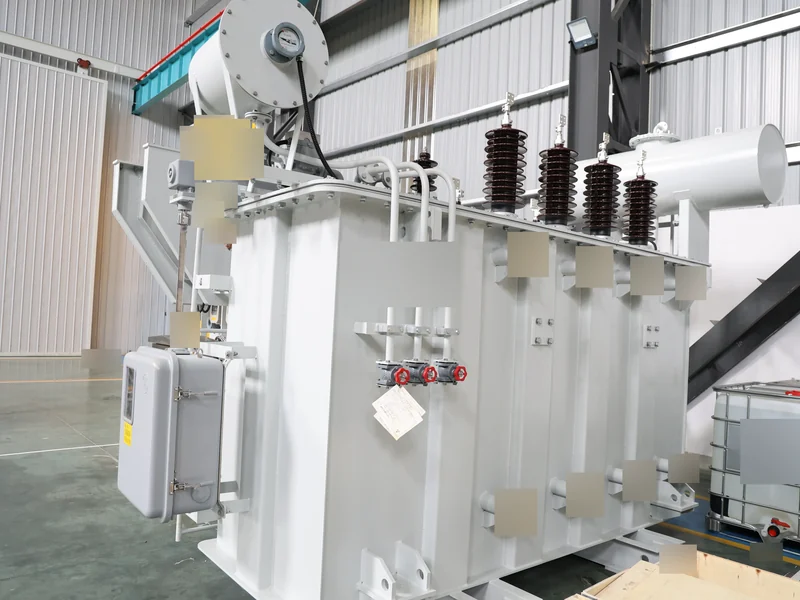
A power transformer transfers electrical energy between circuits at different voltage levels. Your project’s voltage ratio, load, grounding and protection requirements determine which winding arrangement and electrical ratings to specify.
YGT Volt builds two-winding and auto-connected power transformers, 100 kVA–63 MVA, to IEEE C57.12.00 and IEEE C57.12.90. Start with your one-line diagram so your engineering team can confirm how the unit fits your system before you compare offers.
Which Power Transformer Series Fits Your Project?
Start with the electrical relationship you need between the incoming and outgoing circuits. Then compare the winding arrangement with your grounding scheme and protection study.
| Winding arrangement | When to evaluate it | What to confirm with your engineer |
|---|---|---|
| Two-winding power transformer | Your design requires electrically separate windings or independent connection choices on each side. | Confirm connection, grounding, phase displacement and whether a neutral is needed. |
| Auto-connected power transformer | Your system study allows a common winding between the circuits. | Confirm grounding, fault duty and the protection implications of the electrical connection between systems. |
For a utility substation, start with the system voltages, the bus arrangement and the utility’s protection requirements. For an industrial facility, include how your largest loads start and which equipment may run at the same time. For generation, show where the unit sits between the generating equipment and the grid connection. These details give your engineering team a clearer basis for selecting a configuration and reviewing the requested rating.
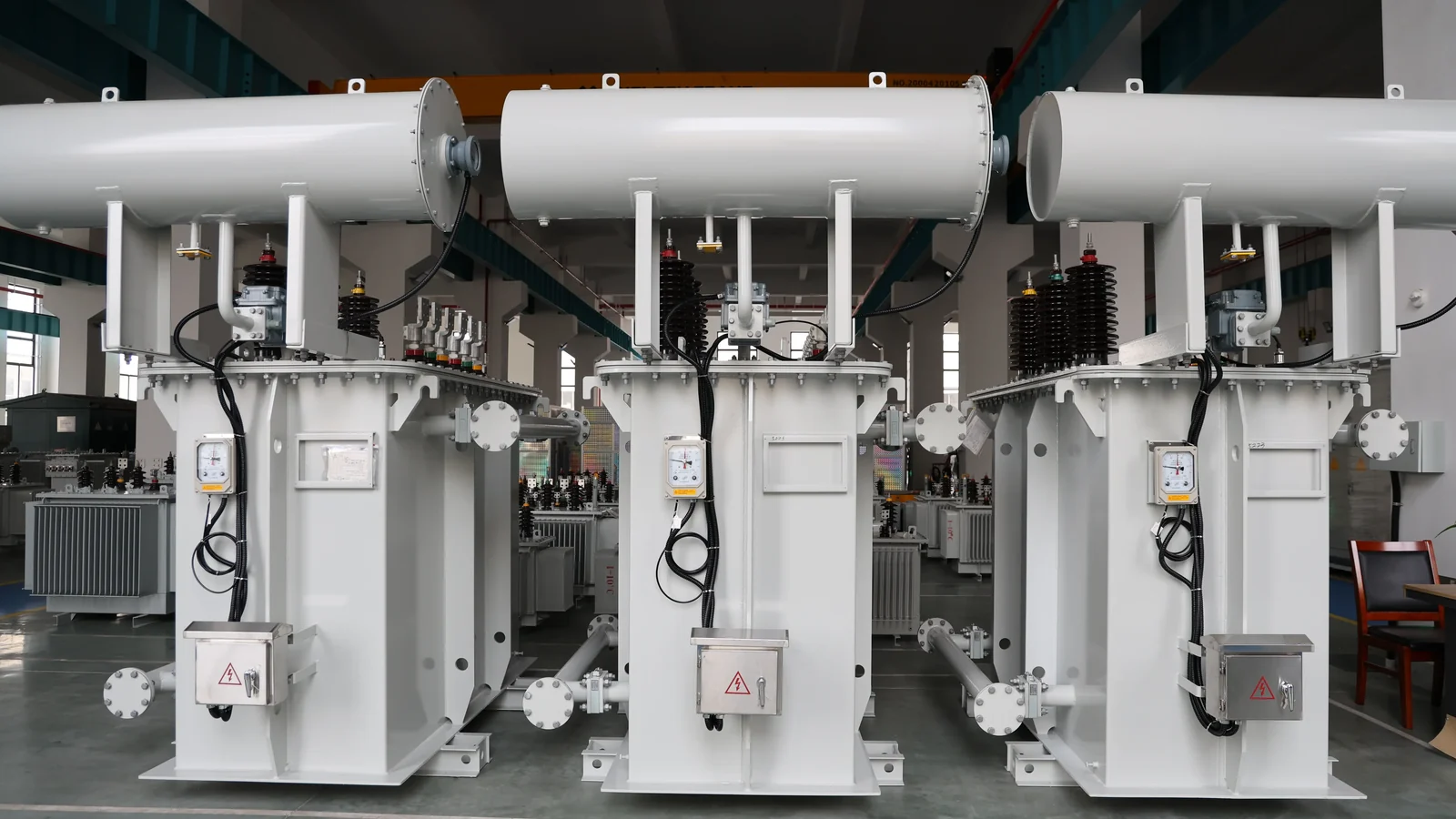
Which Power Transformer Requirements Shape the Design?
Give each bidder the same basis for the offer. Start with the items that affect your electrical study, then define the installation limits that affect delivery and fit.
- Define the electrical interface. State the voltage on each side, frequency, phase, winding connection and grounding arrangement. Attach the one-line diagram and identify the terminal designations your drawings use.
- Set the loading basis. Share the required continuous rating, load profile, ambient conditions and any staged loading requirements. State whether the specified rating is tied to a particular cooling stage.
- Share the study limits. Give your target impedance, its reference rating and any tolerance required by your specification. Include the required insulation levels, tap schedule and how you expect to regulate voltage.
- Describe the installation. Give your available footprint, access limits, terminal orientation and cable or bus interfaces. A site layout can show clearances or handling restrictions that are hard to capture in a datasheet.
Use the electrical power transformer specifications for the detailed configuration discussion. For your offer, ask for the dimensions and electrical values tied to your specific design.
How Do You Review a Power Transformer Test Plan?
State the contract standard and edition in your RFQ. IEEE C57.12.00 sets general requirements for liquid-immersed transformers. IEEE C57.12.90 describes test methods. Ask your supplier to identify the applicable tests, acceptance criteria and documents for the unit you plan to order.
If your contract requires witnessed testing, add the witness points and specify who can release the unit. Agree on the report package before production so your acceptance team knows which records to expect and which requirements each record addresses. If a report from a previous design is offered, have your engineer check whether it is relevant to the proposed unit.
Include your test requirements in the RFQ
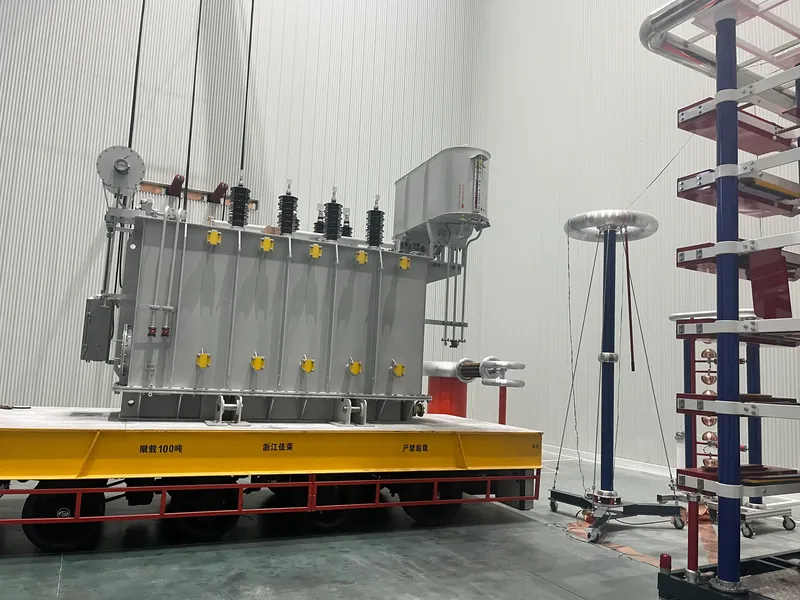
What You Get From Our Factory
Founded in 2006, YGT Volt manufactures power transformers in Jiangshan, Zhejiang. In your RFQ, specify the drawing approval milestone, the routine test report you need with shipment, and any third-party witness points. Confirm these requirements with your supplier before you release the order.
What Else Should You Confirm About Your Power Transformer?
Can I Compare Two Offers With Different Cooling Ratings?
Ask both suppliers to state the rating for the cooling condition in your specification. Compare the offers at that condition and clarify which fans, controls and auxiliary supplies each offer includes.
Can I Request a Replacement Using the Existing Nameplate?
Send the nameplate together with the drawing and terminal layout. Include an updated load profile and installation constraints so the review covers changes since the original unit entered service.
What If the Utility Has Yet to Finalize Its Specification?
Mark provisional requirements in your RFQ and state which decisions depend on the utility. Ask for a list of assumptions to review when the final specification arrives.
How Should I Handle Exceptions to the Specification?
Ask each bidder for a written deviation schedule with the affected clauses and the proposed alternatives. Resolve any exceptions that change performance, installation or acceptance before approving the design.
Ready to Request a Power Transformer Quote?
Have your one-line diagram ready. Include the required capacity and system voltages plus any impedance, installation or testing conditions that the quote must address.